This post may contain affiliate links, please read our disclosure policy for details.
The Ultimate 30-Second Kitchen Hack: How to Make Oat Flour at Home
Have you ever stared at a recipe calling for oat flour, looked at the price tag at the grocery store, and decided to skip it? You are not alone. Store-bought specialty flours can be surprisingly expensive, but there is a major kitchen shortcut you should know: you can make your own fresh oat flour at home in just a few minutes for a fraction of the cost.
Whether you want to sneak more fiber into your morning pancakes or need a reliable gluten-free alternative for holiday baking, this DIY trick will save you money and a trip to the grocery store.
All you need is one basic ingredient and a standard kitchen appliance. Here is exactly how to do it.
Which Oats Are Best?
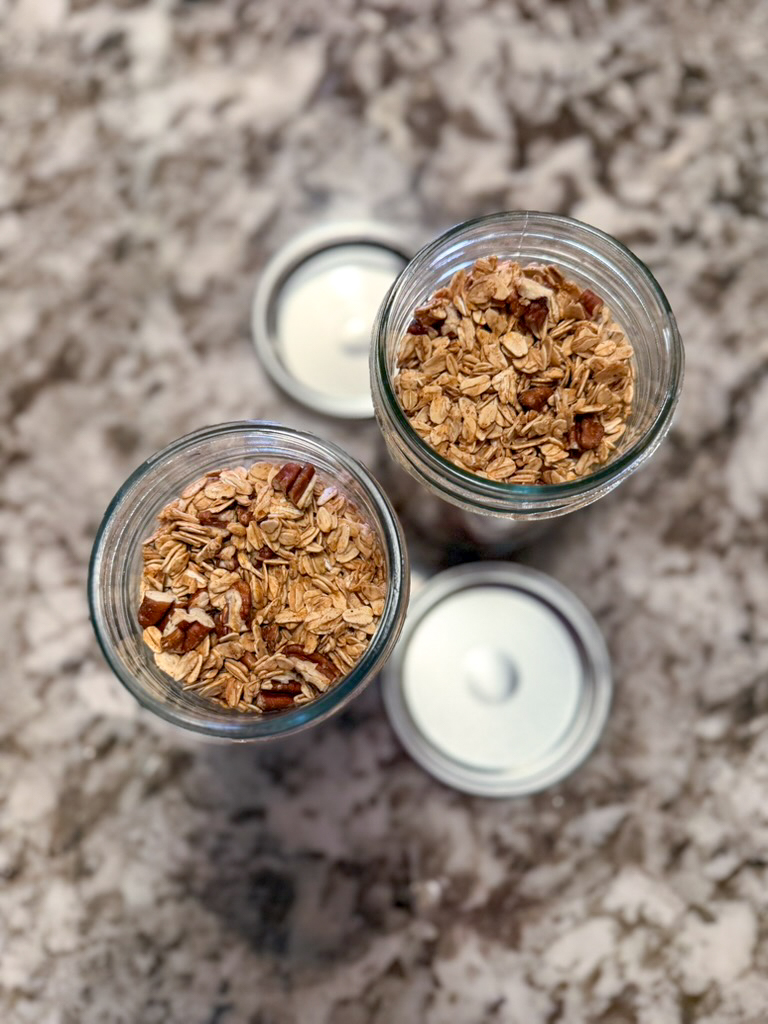
You can actually use a few different types of oats depending on what is already sitting in your pantry:
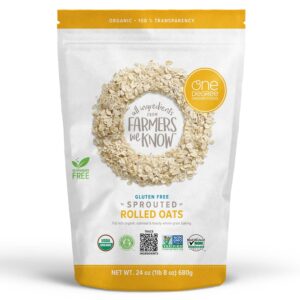
Gluten-Free Note: Oats are naturally gluten-free, but they are frequently cross-contaminated with wheat during processing. If you have Celiac disease or a strict sensitivity, make sure to buy oats explicitly labeled as Certified Gluten-Free.
The Equipment: Blender vs. Food Processor
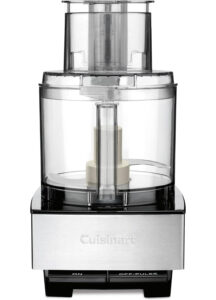
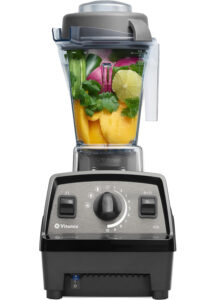
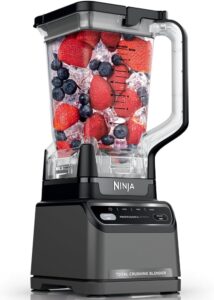
You can use either a high-speed blender or a food processor, but they do yield slightly different results:
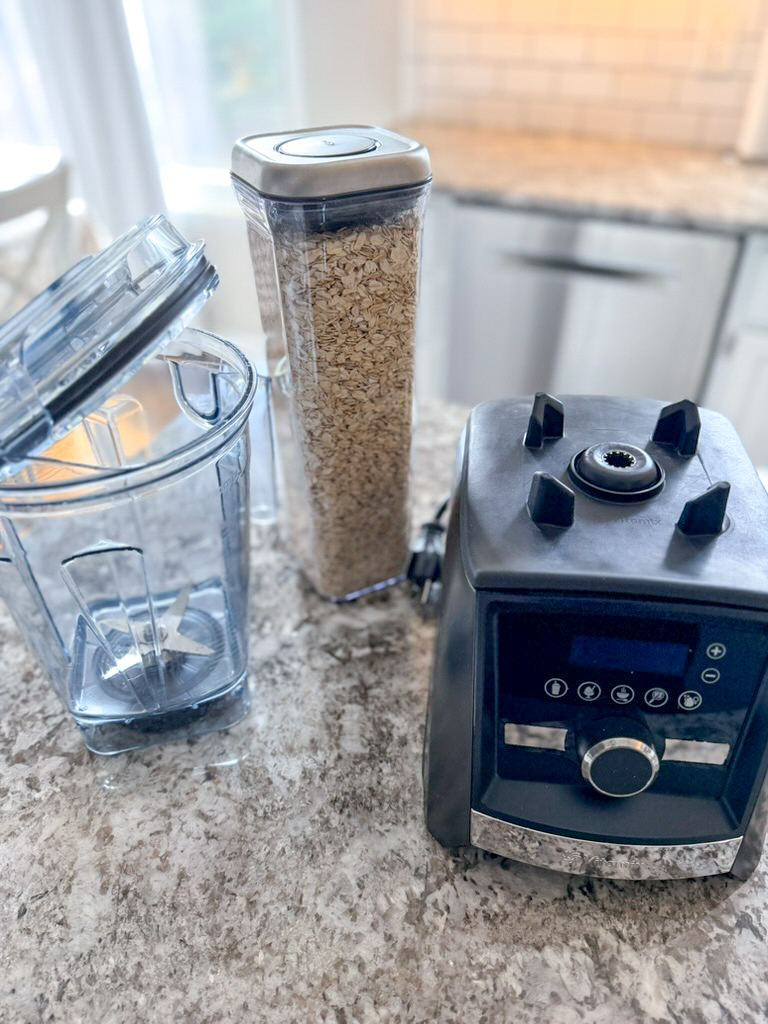
- High-Speed Blender: This is the preferred method. A powerful blender (like a Vitamix or Ninja) takes only a minute to turn oats into a uniform, silky-fine powder.
- Food Processor: A food processor works great but takes a bit longer—usually 1 to 3 minutes. The resulting flour may have a slightly more irregular, grittier texture, which is completely fine for rustic bakes like cookies and muffins.
Step-by-Step Instructions
Please see recipe card at the bottom of this post for the full recipe details.
1. Measure and Fill: Add your oats to your blender or food processor. Do not fill the container more than halfway; leaving empty space allows the oats to circulate freely so every flake gets pulverized evenly.
2. Blitz Until Smooth: Secure the lid and blend starting on low speed and gradually increasing to high speed. If using a blender, run it for up to 60 seconds. If using a food processor, let it run for 1 to 3 minutes, stopping occasionally to scrape down the sides or stir the oats.
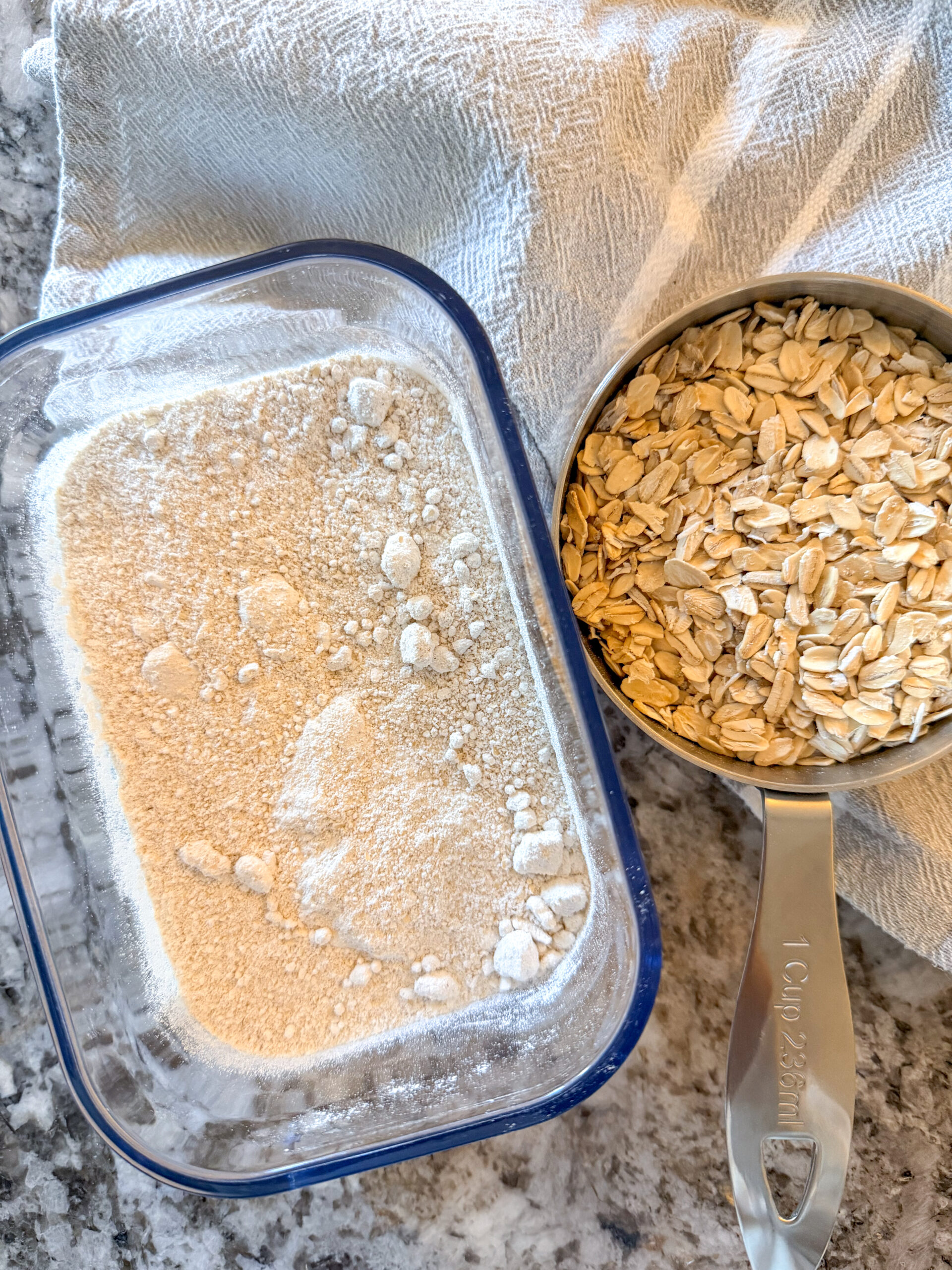
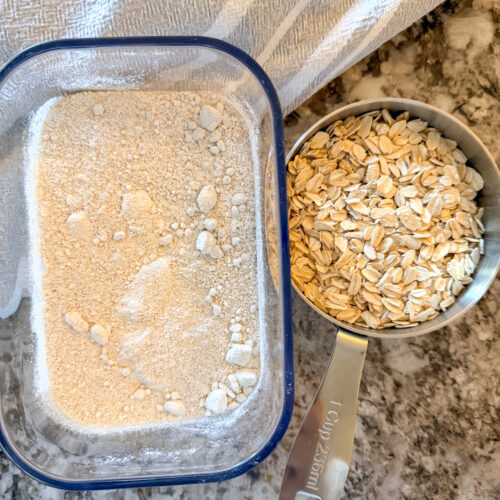
3. Check the Texture: Stop the machine and rub a bit of the flour between your fingers. It should feel like a fine, soft powder with a very slight texture. If you notice any large flakes or sand-like grains, blend it for another 10 to 15 seconds.
Storage & Baking Tips
- How to Store Homemade Oat Flour
- Because whole grains contain natural, healthy oils, homemade oat flour can spoil faster than highly processed white flour. To keep it fresh, pour your flour into a clean, airtight jar or container and store it according to these timelines:
- Pantry (Room Temperature): Up to 3 months
- Refrigerator: Up to 6 months
- Freezer: Up to 12 months
- Because whole grains contain natural, healthy oils, homemade oat flour can spoil faster than highly processed white flour. To keep it fresh, pour your flour into a clean, airtight jar or container and store it according to these timelines:
- Oat flour is not a 1:1 substitute for wheat flour: Oat flour lacks gluten, which means it will not rise the way all-purpose flour does. If you are adapting a standard recipe, a safe rule of thumb is to substitute up to 20% to 25% of the wheat flour with oat flour.
- Oat flour is highly absorbent: If your batter looks a bit too thick, you may need to add a splash of extra liquid or let the batter rest for 10 minutes before cooking.
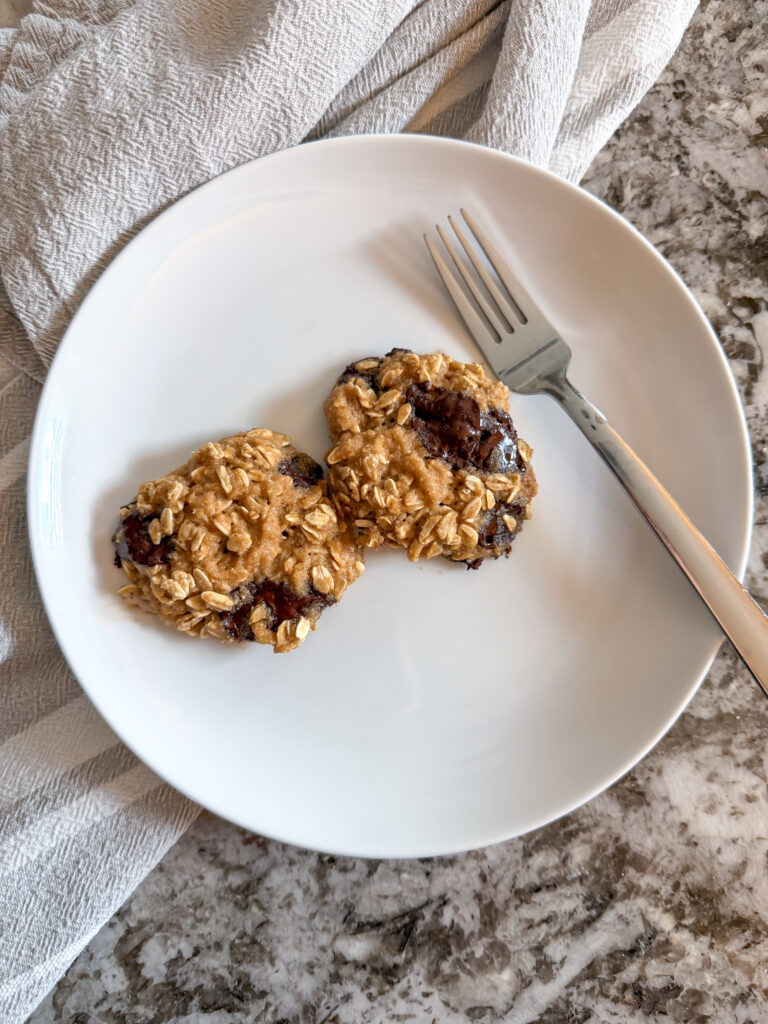
- Perfect for dense bakes: This flour shines brightest in recipes that naturally welcome a soft, dense crumb—think fluffy pancakes, crispy chocolate chip cookies, hearty banana bread, and fruit crumbles.
Homemade Oat Flour
Equipment
- 1 Blender or Food Processor
Ingredients
- 1 cup oat flour
Instructions
- Add your oats to your blender or food processor. Do not fill the container more than halfway; leaving empty space allows the oats to circulate freely so every flake gets pulverized evenly.
- Secure the lid and blend starting on low speed and gradually increasing to high speed. If using a blender, run it for up to 60 seconds. If using a food processor, let it run for 1 to 3 minutes, stopping occasionally to scrape down the sides or stir the oats.
- Stop the machine and rub a bit of the flour between your fingers. It should feel like a fine, soft powder with a very slight texture. If you notice any large flakes or sand-like grains, blend it for another 10 to 15 seconds.
Did you make this recipe?
We’d love to see it! Share your baked good by leaving a comment below!